

 See My Latest Article on HelloNation
How Do Neurological Disorders Begin to Show Signs?
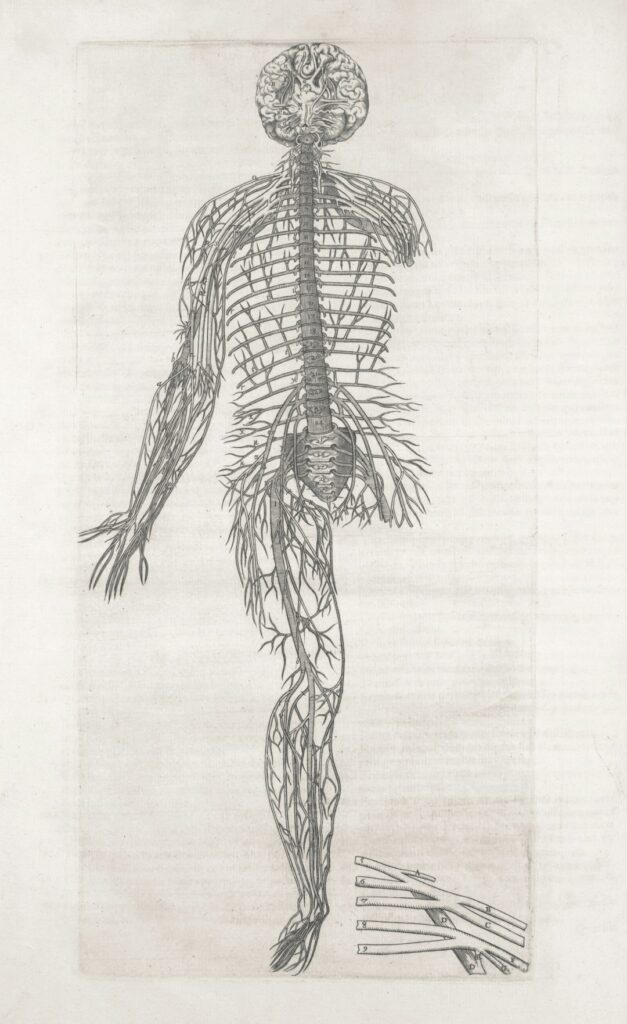
Most neurological disorders start subtly, with symptoms that can easily be mistaken for everyday issues. Early recognition in Odessa, TX is important, especially since prompt attention can sometimes prevent further complications. Neurological disorders affect the nervous system—including the brain, spinal cord, and nerves—which control how we move, think, and feel.
Why Pay Attention in Everyday Life?
Changes in the nervous system are often first noticed at home, at work, or during daily routines. Small changes in the way someone walks, speaks, remembers, or interacts with others may provide the first clues.
In Odessa’s wide family networks and community groups, staying aware of these shifts helps ensure that minor symptoms aren’t dismissed as "just getting older" or "having an off day."
What Are Early Symptoms to Look Out For?
Early neurological symptoms vary, but some common signs may stand out:
- Frequent headaches, especially if they are new or unusually severe
- Sudden confusion, trouble concentrating, or memory lapses
- Loss of coordination, weakness, or numbness—often on one side of the body
- Difficulty speaking or finding words
- Sudden changes in vision, including blurred or double vision not related to allergies or eye strain
- Noticeable tremors or shaking while resting
- Unexplained mood swings, depression, or personality changes
People in Odessa may overlook these changes, especially if symptoms come and go or are mild. If changes persist, tracking their frequency and severity helps provide useful information for future medical evaluations.
Are Some Symptoms Mistaken for Everyday Issues?
Yes, it is common for early neurological symptoms to be missed or mistaken for minor problems. For example:
- Persistent tiredness might be chalked up to heat exposure during Odessa’s sunny seasons, rather than an underlying neurological change.
- Occasional forgetfulness, which many people associate with normal aging, can sometimes signal early cognitive decline.
- Sudden clumsiness while gardening, walking on uneven terrain, or doing household chores might be seen as a simple trip or distraction when it could suggest a loss of coordination.
Understanding these signs as possible neurological changes and not just everyday annoyances allows for appropriate attention if symptoms persist, worsen, or occur with other signs.
When Should Residents Be Concerned About Numbness or Tingling?
Short-lasting numbness or tingling—sometimes described as a limb "falling asleep"—is usually harmless and can occur from sitting in one position too long. However, persistent numbness or tingling, particularly if it:
- Stays on one side of the body
- Affects an entire arm or leg
- Occurs together with weakness, vision changes, or speech difficulty
…could indicate a more serious nervous system issue and should not be ignored. Residents in homes with high summer temperatures or older insulation may also experience dehydration or electrolyte issues, but neurological symptoms unrelated to these should be noted.
Can Sudden Headaches Signal a Neurological Problem?
Most headaches are not caused by neurological disorders, but certain warning signs stand out:
- A sudden, severe headache—the “worst headache ever”—especially if it emerges abruptly
- Headaches that occur along with fever, stiff neck, or confusion
- Headaches that worsen over days or weeks, unlike past patterns
In these situations, medical attention is vital. For headaches that are mild or related to common triggers (like dehydration during Odessa’s hot spells), lifestyle changes may help, but significant changes in headache patterns require more scrutiny.

How Do Mood and Behavior Shifts Relate to Neurological Health?
Behavioral and mood changes can be just as important as physical symptoms in signaling neurological problems. Signs to watch for include:
- Loss of interest in favorite local activities, hobbies, or family interactions
- Rapid mood swings or irritability uncharacteristic for the person
- Withdrawal from community events or social gatherings
These changes may be misattributed to stress, especially during challenging times, but persistent shifts in emotions or personality can be early signs of neurological disease, such as certain types of dementia.
What Physical Signs Are Often Overlooked?
Residents sometimes overlook physical symptoms, assuming they are age-related or due to the climate. Be aware of:
- Unexplained unsteadiness or frequent falls around the home or outdoors
- Tremors while at rest, especially in hands or fingers
- Slurred or slow speech that peers or family members notice
Frequent trips on curbs, unexplained minor driving mishaps, or difficulty with buttoning clothes may also be overlooked as part of “normal aging.” However, these subtle changes should prompt closer observation.
Is Forgetfulness Always a Cause for Worry?
Forgetfulness is a common experience, but patterns matter:
- Occasional misplaced keys or missed appointments are normal, especially with a busy Odessa lifestyle.
- Consistently forgetting familiar names, getting lost on regular routes, or repeating the same stories several times in one conversation may indicate a more significant issue.
Tracking the context and frequency of forgetfulness, especially if paired with confusion or trouble following conversation, helps distinguish between normal changes and concerning patterns.
What Should Local Residents Do if They Notice Symptoms?
Recognizing neurological changes early can be critical. In Odessa, most symptoms are not emergencies. However, if someone experiences sudden, severe weakness, loss of vision, difficulty speaking, or confusion, immediate care is necessary to rule out potentially life-threatening conditions.
Otherwise, keeping a detailed record of symptoms—including when they started, how long they last, and how they affect daily living—provides helpful details for any future medical discussion. This careful record-keeping supports clarity and a calm approach, ensuring no important detail is overlooked.
By staying alert to the patterns and changes described, Odessa residents can better safeguard their nervous system health for themselves and their families.