

 See My Latest Article on HelloNation
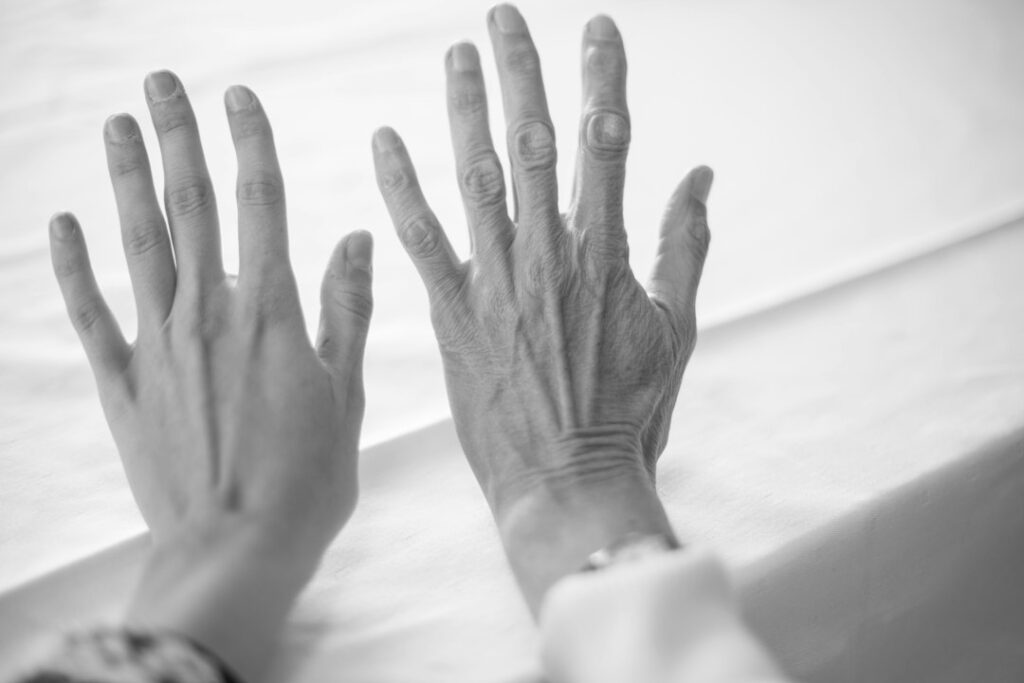
Chronic pain linked to nerve problems can feel burning, electric, stabbing, tingling, numb, or unusually sensitive to touch. It may come from diabetes, a trapped nerve, a past injury, shingles, certain medicines, spinal conditions, or other disorders affecting the nervous system.
Managing this type of pain usually involves more than trying to eliminate every sensation. A practical plan focuses on identifying the cause, reducing flare-ups, protecting function, improving sleep, and watching for symptoms that need prompt medical attention.
What does nerve-related pain feel like?
Nerve pain often feels different from the soreness caused by an overworked muscle or joint. Common descriptions include:
- Burning or freezing sensations
- Sharp, shooting, or electric-like pain
- Pins and needles
- Numbness combined with pain
- Extreme sensitivity to clothing, bedsheets, or light touch
- Pain that travels along an arm, leg, or one side of the body
- Weakness, clumsiness, or a feeling that a limb is difficult to control
Symptoms may remain steady or appear in waves. Some people notice worse discomfort at night, after prolonged sitting, or when stress and poor sleep build up.
Pain does not always reveal the exact cause. A person may have significant nerve pain even when a scan shows only modest changes, so symptom patterns, medical history, examination, and sometimes blood tests or nerve studies all may be relevant.
Which daily habits can reduce nerve pain flare-ups?
Consistent routines are often more helpful than doing too much on a good day and then resting for several days afterward. This approach is sometimes called pacing.
Try dividing demanding tasks into shorter periods. For example, standing for ten minutes, sitting for a few minutes, and then resuming an activity may be more manageable than completing one long chore. Keep track of activities that reliably trigger symptoms, such as prolonged driving, lifting, kneeling, or sitting in one position.
Gentle movement can also help preserve strength and circulation. Depending on the condition, useful options may include:
- Brief walks on level ground
- Gentle range-of-motion exercises
- Light stretching without forcing a painful joint
- Water-based movement
- Gradual strengthening guided by an appropriate care plan
Complete inactivity can increase stiffness, weakness, and sensitivity. Exercise should be increased slowly, and new weakness, loss of balance, or sharply worsening pain should not be ignored.
For residents in Odessa, TX, summer heat can make outdoor activity harder. Early-morning or indoor movement may be more comfortable during very hot periods. Adequate fluids are also important, especially for people taking medicines that affect blood pressure or fluid balance.
How can sleep and stress affect nerve pain?
Poor sleep can make the nervous system more reactive, which may increase pain sensitivity the next day. Pain can then interfere with sleep, creating a cycle that is difficult to break.
A regular sleep and wake time may help more than simply spending extra hours in bed. Other useful habits include keeping the bedroom cool and dark, limiting stimulating activities before bedtime, and avoiding late-day caffeine if it interferes with sleep.
Relaxation methods do not mean the pain is imaginary. Slow breathing, guided imagery, mindfulness, and cognitive behavioral strategies may reduce the body’s stress response and help a person cope with pain more effectively. They can also help with worry, frustration, and the concentration problems that often accompany persistent symptoms.
A simple breathing exercise is to inhale comfortably, exhale slowly, and repeat for several minutes without trying to force a deep breath. The goal is to reduce tension rather than make the pain disappear immediately.
What should people know about pain medicines?
Medicines for nerve pain are different from medicines that work best for ordinary muscle soreness. Depending on the cause and a person’s overall health, a clinician may consider prescription medicines that influence nerve signaling, topical treatments, or other options.
Over-the-counter products are not automatically harmless. Acetaminophen can damage the liver when taken above recommended limits or combined with other products containing the same ingredient. Anti-inflammatory medicines can create risks involving the stomach, kidneys, blood pressure, or heart for some people.
Before changing a dose, combining medicines, or adding supplements, review the full medication list with a qualified healthcare professional. Include vitamins, sleep aids, alcohol use, and nonprescription pain products.
Opioids may be appropriate in selected situations, but they carry risks such as sedation, constipation, tolerance, dependence, and dangerous interactions with alcohol or certain sedatives. They are not a universal treatment for chronic nerve pain, and stopping them suddenly can also cause problems.
How can someone protect an area that feels numb?
Numbness reduces the body’s warning system. A person may not notice a blister, burn, cut, pressure injury, or poorly fitting shoe until damage has already occurred.
Check numb areas regularly, especially the feet. Look for redness, swelling, cracks, blisters, drainage, or changes in skin color. Test bath or shower water with a part of the body that has normal sensation, or use a thermometer rather than relying on a numb foot or hand.
Avoid heating pads, hot water bottles, and direct contact with space heaters on areas with reduced sensation. Inspect footwear and socks for tight seams or objects inside. If diabetes is present, daily foot checks are particularly important.

When does nerve pain require prompt medical attention?
New or rapidly worsening symptoms should be evaluated rather than managed only at home. Seek urgent medical help for:
- Sudden weakness of the face, arm, or leg
- New trouble speaking, seeing, walking, or staying balanced
- Loss of bladder or bowel control with back pain
- Numbness around the inner thighs or groin
- Severe weakness that is progressing
- A limb that becomes cold, pale, blue, or markedly swollen
- A serious injury followed by numbness or loss of movement
- Fever, confusion, or a spreading rash with severe pain
A healthcare evaluation is also warranted for persistent numbness, repeated falls, unexplained weight loss, pain that regularly prevents sleep, or symptoms that begin after a new medicine.
What information should be tracked before an evaluation?
A short symptom record can make patterns easier to recognize. Write down:
- Where the pain begins and whether it travels
- Whether it feels burning, stabbing, aching, numb, or electric
- When it is worst
- Activities or positions that increase or reduce it
- Sleep quality
- Any weakness, balance changes, or skin injuries
- Current medicines and recent medication changes
- Blood sugar readings, if diabetes is present
This record can help distinguish a brief flare from a steady decline and may reveal links with heat, activity, posture, meals, stress, or missed sleep.
Chronic nerve pain is real, and improvement may involve several modest changes rather than a single solution. The most useful plan is usually individualized: identify the likely source, maintain safe movement, protect numb areas, support sleep, review medicines carefully, and respond quickly to new neurological warning signs.