

 See My Latest Article on HelloNation
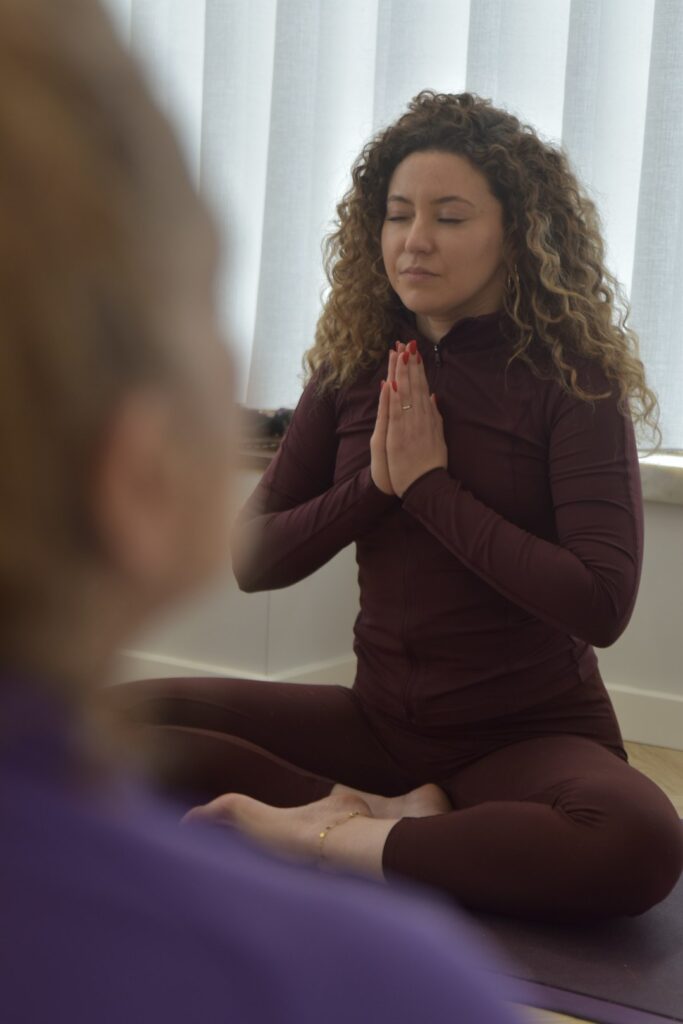
Mindfulness does not repair damaged nerves or replace medical treatment, but it may help the nervous system respond to stress, pain, poor sleep, and physical discomfort in a steadier way. For residents of Odessa, TX, a simple mindfulness routine can be especially practical during hot weather, demanding work schedules, disrupted sleep, or periods of persistent pain.
What does mindfulness have to do with nerve health?
Mindfulness is the practice of paying attention to present-moment experiences with curiosity rather than immediately reacting to them. It may involve noticing the breath, physical sensations, sounds, thoughts, or emotions.
The nervous system is affected by more than an injury or medical condition. Ongoing stress can keep the body in a heightened state of alert. This may contribute to muscle tension, shallow breathing, sleep problems, increased sensitivity to pain, and difficulty relaxing. Mindfulness may help by giving the brain repeated opportunities to shift from a constant “threat response” toward a calmer state.
That does not mean mindfulness changes the structure of a damaged nerve. Instead, it may influence how the brain and body process signals, including uncomfortable sensations.
Can mindfulness reduce nerve pain?
Mindfulness may reduce the distress associated with nerve pain, and some people experience a modest improvement in pain intensity. Research has found the most consistent benefits in areas such as stress, anxiety, sleep, pain coping, and quality of life. Results are mixed, and mindfulness does not work equally well for every type of pain.
Nerve-related symptoms can include:
- Burning, tingling, or electric-shock sensations
- Numbness or reduced feeling
- Increased sensitivity to touch
- Pain that worsens at night
- A feeling that ordinary sensations are unusually painful
Mindfulness may help a person notice these sensations without immediately tensing the body or assuming that the symptom signals danger. Over time, that can reduce the additional cycle of fear, muscle tightening, poor sleep, and increased pain sensitivity.
It is still necessary to investigate the underlying cause. Diabetes, medication effects, vitamin deficiencies, alcohol use, infections, injuries, circulation problems, and other conditions can contribute to nerve symptoms.
How can mindfulness affect the stress response?
Stress activates the sympathetic nervous system, which prepares the body to respond quickly. This response is useful during immediate danger, but staying activated for long periods can affect sleep, digestion, muscle tension, heart rate, and emotional balance.
Slow, attentive breathing may help interrupt that pattern. A person is not forcing the body to relax. Instead, the practice creates a pause between a sensation and an automatic reaction.
For example, someone with tingling in the feet might notice:
1. The physical sensation itself
2. The thought that something is seriously wrong
3. Tightness in the calves or jaw
4. Faster breathing
5. The urge to repeatedly check the area
Mindfulness separates these experiences so they can be observed more clearly. This can make symptoms feel more manageable, even when the original condition remains present.
What mindfulness practices are practical at home?
A short, consistent practice is usually more realistic than trying to meditate for a long period. The following exercises can be done while seated in a quiet room:
Three-minute breathing practice
Sit with both feet supported. Notice the natural breath without trying to make it perfect. Then gently lengthen the exhalation if that feels comfortable. If the mind wanders, return attention to the sensation of breathing.
Body scan
Move attention slowly from the feet toward the head. Notice warmth, pressure, tingling, tension, or numbness without trying to change each sensation. This practice should not be used to repeatedly inspect the body for signs of danger. The goal is awareness, not constant monitoring.
Mindful movement

Walk slowly, stretch gently, or move the hands and ankles while paying attention to balance, pressure, and muscle activity. People with reduced sensation should take extra care with footing and avoid movements that increase pain or dizziness.
Mindful daily routines
Activities such as bathing, preparing food, or sitting outside can become brief mindfulness practices. Notice temperature, texture, sounds, and breathing rather than completing the task on autopilot.
For residents managing hot weather, indoor practice during the hottest part of the day may be more comfortable. Dehydration and heat illness can cause weakness, dizziness, headache, confusion, and other symptoms that should not be mistaken for ordinary stress or nerve discomfort.
Can mindfulness improve sleep and nerve symptoms at night?
Poor sleep can increase pain sensitivity and make tingling, burning, or aching feel more intrusive. Mindfulness may support sleep by reducing mental overactivity and helping the body transition into a quieter state.
A simple evening routine might include dimmer lighting, slower breathing, and noticing physical contact with the mattress. If symptoms become more intense at night, avoid repeatedly searching for explanations online or checking the affected area. Instead, record the symptom briefly and discuss recurring patterns with a qualified health professional.
Mindfulness is not a treatment for sleep apnea, medication side effects, severe anxiety, or other medical causes of poor sleep. Persistent sleep disruption deserves evaluation.
What are common misconceptions?
Mindfulness does not mean emptying the mind. Thoughts will continue to appear. The practice is noticing them and returning attention to the present.
Mindfulness is not pretending pain is absent. It involves recognizing pain accurately while reducing the added struggle, fear, or tension surrounding it.
More discomfort is not always a sign of progress. A practice should be adjusted if it causes panic, dizziness, worsening symptoms, or emotional distress.
Mindfulness is not a substitute for nerve care. New weakness, loss of balance, rapidly spreading numbness, sudden confusion, facial drooping, or loss of bladder or bowel control requires prompt medical attention. Severe heat-related symptoms, including confusion or fainting, require urgent help.
How should someone begin safely?
Start with three to five minutes once a day. Sit in a stable chair rather than lying down if sleepiness or dizziness is a concern. Keep the eyes open or softly focused if closing them feels uncomfortable.
People with trauma histories, severe anxiety, depression, or unusual reactions during meditation may need a more adapted approach. Grounding through the feet, naming objects in the room, or practicing mindful movement can be easier than focusing inward.
The most useful measure is not whether every symptom disappears. Consider whether the practice helps with sleep, tension, fear of symptoms, ability to remain active, or confidence in responding to discomfort. Those changes can be meaningful even when nerve symptoms continue.
Mindfulness works best as one part of a broader plan that may also include appropriate medical evaluation, movement, adequate sleep, hydration, balanced nutrition, and management of conditions that affect the nervous system.