

 See My Latest Article on HelloNation
What Is the Nervous System?
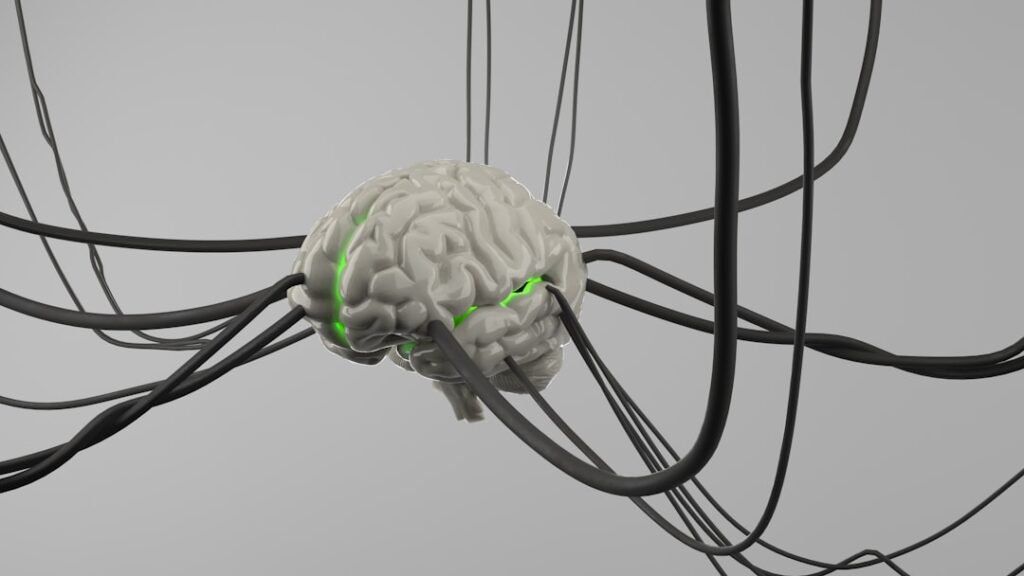
The nervous system is the body's intricate network that allows people to sense, think, move, and react to everyday events. Made up of the brain, spinal cord, and connecting nerves, it serves as the main communication system throughout the entire body. Through electric signals and chemicals, it controls actions both big and small—from waving to a neighbor to adjusting your temperature on a hot summer day in Odessa, TX.
For local residents, understanding how this system operates can help explain common experiences like reflexes, balance issues, and the way the body responds to changes in the West Texas climate.
How Does the Nervous System Work to Control the Body?
The nervous system works by sending rapid signals through specialized cells called neurons. These signals travel between the brain, spinal cord, and nerves, directing everything from breathing to walking down the street.
- The brain interprets information and makes decisions.
- The spinal cord acts as a major pathway for signals to and from the brain.
- Nerves extend throughout the body, delivering and receiving messages.
In day-to-day life, this system is constantly active. For example, stepping out onto a sunbaked sidewalk, the nerves in your feet instantly send signals to your brain, letting you know if the ground is too hot. Your brain quickly decides what to do and sends a signal back, causing you to step back or adjust your path.
What Are the Main Parts of the Nervous System?
There are two main parts to understand:
Central Nervous System (CNS):
- Includes the brain and spinal cord.
- Processes information and decides how the body should respond.
Peripheral Nervous System (PNS):
- Consists of all nerves outside the brain and spinal cord.
- Carries messages between the CNS and the rest of the body.
Both parts work together. For instance, if a child in the area touches a prickly cactus, the pain is detected by nerves in the skin (PNS), sent to the brain (CNS), and results in the hand pulling away automatically.
How Do Nerves Send Messages?
Neurons are unique cells that communicate using both electrical impulses and chemicals called neurotransmitters. When an event, like touching a cold doorknob during a frosty morning, is sensed, the nerves fire electrical signals. These signals travel in a chain, passing the message along until it reaches the brain, which processes it and sends a response.
Sometimes, local changes—like dehydration during a hot period—can slow down nerve signals, making reactions feel sluggish or delayed.
What Does the Nervous System Control?
Nearly every part of daily life is influenced by this system, including:
- Moving muscles to walk or shift positions.
- Feeling sensations such as temperature, pain, pleasure, or pressure.
- Regulating automatic functions like heart rate, digestion, and sweating (which becomes especially important during intense summer heat).
- Responding quickly to dangers, such as pulling away from a thorny plant or dodging debris in high winds.
The nervous system even controls things you aren’t always aware of, such as adjusting blood flow or controlling breathing rate during vigorous backyard activities or local sports.
What Are Reflexes, and Why Do They Matter in the Area?
Reflexes are automatic responses that occur without conscious thought—often serving as important protective mechanisms. For example, if someone accidentally touches the metal of a sun-heated car, the hand reflexively pulls away almost immediately. This kind of rapid reaction helps prevent injuries from the environment, which can be particularly helpful in Odessa’s hot, dry climate and in workplaces with machinery.
Common Nervous System Concerns Relatable to Local Residents

Residents might notice issues ranging from numbness after sitting too long, tingling fingers during cold spells, or quick reflexes in situations that require sudden action. Some concerns that are often misunderstood or overlooked include:
- Mild dehydration slowing mental and physical responses.
- Long-term exposure to harsh weather affecting sensation or reaction time.
- Temporary numbness from poor posture or sitting on hard surfaces common in some local work environments.
- Occasional headaches from stress, noise, or sudden temperature changes.
Knowing these responses can offer reassurance during everyday situations, whether working outdoors or relaxing at home.
Practical Tips for Everyday Nervous System Health
Supporting nervous system function is possible through many simple actions:
- Stay hydrated, especially during extreme heat.
- Take regular breaks if seated for long periods.
- Stretch to encourage blood flow and nerve health.
- Pay attention to persistent numbness or tingling, as these may signal underlying issues.
- Wear appropriate clothing and footwear to protect against local environmental hazards.
By supporting overall health and being mindful of how weather and activities can affect nerve function, local families help protect an often-overlooked part of their wellbeing.
Addressing Misconceptions About the Nervous System
A few common myths can cause confusion:
- "It’s normal for parts of the body to go numb regularly." While brief numbness after sitting may be harmless, frequent numbness can suggest problems needing attention.
- "Nervous system problems only affect older adults." While age is a factor, anyone—children and adults alike—can experience nerve-related symptoms.
- "You can always feel when something is wrong." Some issues, such as nerve compression or slow reaction times from dehydration, might not be felt right away.
Understanding how your body's communication system operates can help Odessa residents make informed everyday decisions for long-term health and comfort.