

 See My Latest Article on HelloNation
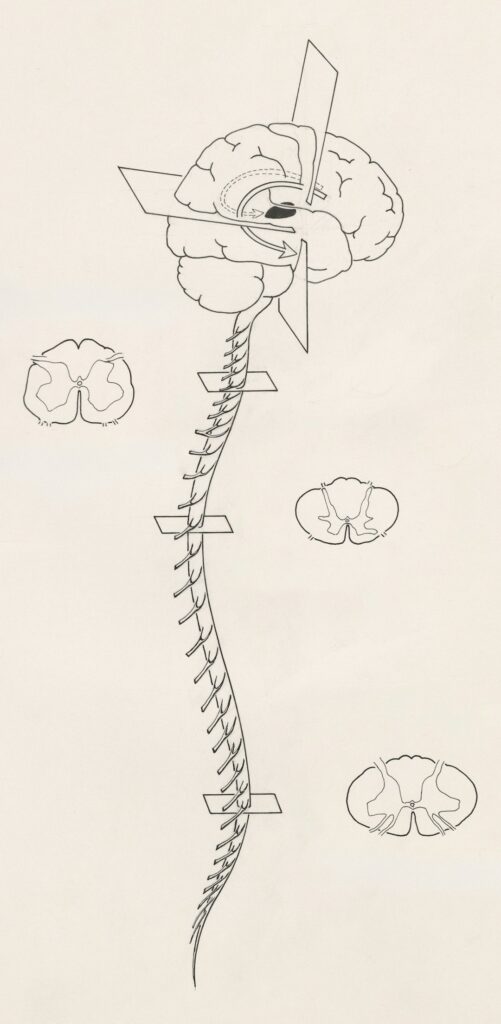
Nervous system injuries can affect movement, sensation, balance, thinking, speech, mood, and automatic body functions. Recovery depends on the location and severity of the injury, the person’s overall health, how quickly complications are treated, and how consistently the brain, spinal cord, or peripheral nerves are challenged during rehabilitation.
What happens after a nervous system injury?
The first stage involves stabilizing the injury and limiting additional damage. Swelling, bleeding, reduced blood flow, inflammation, or pressure on nerve tissue can worsen symptoms after the original event. Medical care may focus on protecting the brain and spinal cord, controlling pain, preventing infection, supporting breathing, or treating seizures and other complications.
After the immediate danger has passed, the nervous system may begin adapting. This adaptation is called neuroplasticity. It allows surviving nerve cells and networks to change their connections, strengthen useful pathways, and sometimes take on functions previously handled by damaged areas.
Neuroplasticity does not mean that every injury will fully heal. It means that the nervous system can learn, reorganize, and sometimes find alternate routes for communication. Recovery may involve repairing damaged tissue, restoring function in partially injured nerves, or learning new methods for completing daily activities.
How does the brain recover after injury?
Brain recovery often occurs in stages rather than as a steady, predictable climb. Some improvement may happen naturally during the first days or weeks as swelling decreases and the body stabilizes. Later progress may depend more heavily on repeated practice, structured rehabilitation, and gradual return to meaningful activities.
Brain injuries can affect more than strength and coordination. A person may also experience:
- Headaches, dizziness, or sensitivity to light and sound
- Slower thinking or difficulty concentrating
- Problems with memory, planning, or word-finding
- Changes in sleep, mood, or emotional control
- Fatigue that worsens after mental or physical activity
- Difficulty tolerating busy environments or multiple conversations
A person recovering from a concussion or other brain injury may look well while still having significant symptoms. Reading, computer work, driving, household tasks, or extended conversations can require more effort than expected. A gradual increase in activity is generally safer than attempting to return immediately to a full schedule.
A second head injury before the first one has healed can significantly complicate recovery. New symptoms after another blow, fall, or collision require prompt medical evaluation.
Can spinal cord injuries improve?
Spinal cord recovery varies widely. An incomplete injury means that some nerve signals still pass through the injured area. People with incomplete injuries may retain some movement or sensation below the injury and may regain additional function over time. A complete injury involves a more extensive loss of communication through the affected area, although recovery and adaptation can still differ from person to person.
Spinal cord injuries may cause weakness, paralysis, numbness, pain, changes in temperature awareness, or problems controlling the bladder and bowel. Breathing and blood pressure can also be affected, depending on the injury’s location.
Rehabilitation may include strengthening, balance work, transfers, walking practice, wheelchair skills, stretching, bladder and bowel management, skin protection, and strategies for performing daily tasks more independently. Assistive equipment does not mean recovery has failed. Braces, mobility devices, communication tools, and home modifications can help preserve safety and participation while the nervous system continues adapting.
What about injuries to nerves in the arms or legs?
Peripheral nerves connect the brain and spinal cord with muscles, skin, and organs. Injuries may occur from cuts, crush injuries, fractures, dislocations, pressure, or prolonged compression.
Some peripheral nerves can repair themselves gradually, but the process is slow. Nerve fibers may regrow only limited distances each day, and recovery also depends on whether the nerve pathway remains connected and whether the muscles and joints remain usable during healing.
Symptoms can include burning pain, tingling, numbness, weakness, unusual sensitivity, or loss of coordination. Protecting an area with reduced sensation is especially important because burns, cuts, pressure injuries, and extreme temperatures may not be noticed promptly.
Why is rehabilitation so central to recovery?
Rehabilitation gives the nervous system repeated, purposeful practice. Physical therapy may address strength, walking, balance, flexibility, and endurance. Occupational therapy may focus on dressing, bathing, cooking, writing, work tasks, and safer ways to use the hands. Speech and language therapy can help with communication, thinking skills, and swallowing.
Cognitive rehabilitation may address attention, memory, organization, judgment, and problem-solving. Counseling or psychological support can help with anxiety, depression, irritability, grief, and the adjustment to changes in independence.

Effective rehabilitation is usually specific to the person’s symptoms and goals. Repetition matters, but more exercise is not always better. Excessive fatigue, worsening headaches, dizziness, pain, or confusion can signal that the activity level needs to be adjusted.
What daily habits support nervous system recovery?
Daily routines cannot replace medical treatment, but they can support the body’s ability to participate in rehabilitation.
Helpful habits may include:
- Following activity restrictions and return-to-work or return-to-school instructions
- Keeping a regular sleep schedule
- Eating enough protein, fruits, vegetables, and fluids unless a medical condition requires restrictions
- Taking prescribed medicines as directed
- Avoiding alcohol or recreational drugs during recovery
- Using a written symptom and activity log
- Increasing activity gradually rather than testing limits repeatedly
- Protecting areas with numbness from hot surfaces, sharp objects, and prolonged pressure
In Odessa, TX, hot weather can increase dehydration and fatigue during outdoor activity. People recovering from neurological injury may need to plan demanding tasks during cooler parts of the day, take breaks in shaded or air-conditioned spaces, and follow individualized fluid guidance. Dust, glare, and high temperatures may also aggravate headaches or sensory sensitivity for some people.
Which symptoms require urgent attention?
Sudden or worsening neurological symptoms should not be watched at home. Emergency evaluation is warranted for new weakness or numbness on one side, facial drooping, trouble speaking, loss of consciousness, a seizure, severe or rapidly worsening headache, repeated vomiting, new confusion, unequal pupils, difficulty breathing, or loss of bladder or bowel control after an injury.
After a spinal or neck injury, avoid unnecessary movement until emergency instructions are provided. After a head injury, worsening drowsiness, unusual behavior, or increasing difficulty waking the person is especially concerning.
Recovery is often measured in practical abilities rather than a single test: walking farther, remembering instructions, using a hand more effectively, tolerating a work shift, or completing personal care with less assistance. Progress may continue for months or longer, and plateaus do not always mean that improvement has ended.