

 See My Latest Article on HelloNation
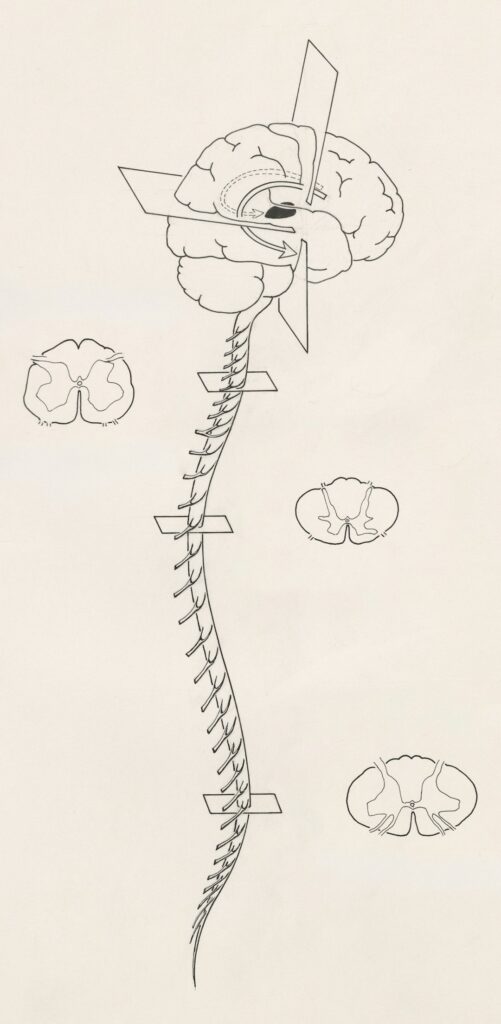
Are Nerves and Neurons the Same Thing?
Nerves and neurons are related but not identical parts of the nervous system. Neurons are specialized cells that send electrical and chemical signals throughout the body. Nerves, on the other hand, are bundles of these neuron fibers, much like how electrical wires are bundled together in a cable. In Odessa, area residents sometimes confuse these terms when talking about health conditions or injuries, especially after accidents or during medical appointments. Recognizing the difference makes it easier to understand how messages travel in the body and why specific symptoms develop depending on what part is affected.
Does the Nervous System Control Only Thoughts and Movement?
The nervous system directs more than conscious activities like thinking or moving your arms and legs. In fact, it’s also responsible for automatic tasks like breathing, maintaining heart rate, and digesting food—functions Odessa households depend on every second, regardless of weather, season, or personal habits.
For example:
- Sweating in the West Texas summer heat is managed by nervous system reflexes, not conscious choice.
- The sensation of hunger, feeling pain when touched, and even balancing on uneven ground all depend on nerves working behind the scenes.
Understanding this helps area residents appreciate subtle symptoms that might arise—from tingling toes to unexplained digestive issues—that are also related to the nervous system.
Can Nerve Cells in Adults Regenerate?
It’s commonly believed that once a nerve cell is damaged, it never regrows. The truth is more nuanced. While most adult nerve cells in the brain and spinal cord (central nervous system) have limited ability to repair themselves, some regeneration can occur in the peripheral nervous system—the network that extends throughout the body. For example, minor injuries to nerves in the hand or foot from everyday activities around the home or yard sometimes heal over several weeks or months, depending on the location and severity.
However, major injuries or those in the brain can create lasting changes. The environment in Odessa—think slips during icy winters or cuts during garden work—means families could encounter both minor recoverable injuries and more complex nerve issues.
Does Stress Have a Direct, Visible Effect on Nerves?
Residents sometimes ask if daily stress can be “seen” in the nerves or if stress damage is just a figure of speech. While chronic stress doesn’t usually make nerves physically fall apart, it leads to real, measurable changes. Hormones released during stress can heighten pain sensitivity, cause headaches, or lead to digestive troubles. In some cases, long-term stress may contribute to conditions like tension headaches and nerve pain syndromes.
This is especially relevant during periods of local weather extremes, ongoing drought, or times when families are juggling multiple responsibilities. Being mindful of how the nervous system responds can help people understand why reducing stress can ease certain symptoms.
Is “Nervousness” Only Emotional?
Feeling nervous is not just about emotions. The physical symptoms—sweaty palms, racing heart, dizziness—stem from the nervous system’s automatic reactions. In Odessa, where public speaking, job changes, or sending kids off to a new school bring understandable jitters, these feelings are produced by the body’s “fight-or-flight” response.
Recognizing these physical signs as nervous system activity helps local residents avoid dismissing them as just “being weak” or “overly emotional.” Instead, they are universal human experiences rooted in biology.
Are All Neurological Symptoms Cause for Major Concern?
Not every nerve-related sensation is a sign of a serious problem. Temporary numbness in a foot after sitting awkwardly, brief tingling after holding something tightly, or a hand trembling after heavy use has straightforward causes. Many day-to-day symptoms resolve quickly and are not signs of permanent nerve damage.
However, Odessa residents should keep in mind:
- Persistent loss of sensation, ongoing pain, or sudden weakness may need prompt attention.
- Minor symptoms that don’t improve, or which get worse, can occasionally signal underlying issues even without obvious trauma.

Understanding these differences can help area households decide when everyday nerve sensations are typical and when it may be wise to consult a healthcare professional for safety.
Is Memory Loss or Confusion Always a Normal Part of Aging?
Memory lapses are sometimes considered “just getting older,” but significant or rapid decline is not an inevitable part of aging. The nervous system, which includes the brain, is influenced by blood flow, overall health, and even hydration—factors affected by Odessa’s hot, dry conditions and sometimes unpredictable seasons.
- Occasional forgetfulness happens to everyone.
- Ongoing or severe memory struggles, confusion, or trouble following conversations is not a normal consequence of aging.
- Dehydration or medication changes can mimic more serious nervous system illnesses.
Recognizing when something is more than a typical “senior moment” helps families access trustworthy guidance and reassurance.
Do “Just Resting” and “Staying Positive” Fix All Nerve Issues?
Rest is helpful for many minor nerve injuries. However, chronic nerve pain or neurological conditions don’t always improve with positive thinking alone. Some conditions require specific care, lifestyle adjustments, and sometimes long-term support, even if symptoms seem invisible to others.
Families in the area may want to balance good self-care with realistic expectations for nerve recovery. Adopting healthy habits, staying hydrated in Odessa’s arid climate, and avoiding repetitive injuries may help support nervous system health.