

 See My Latest Article on HelloNation
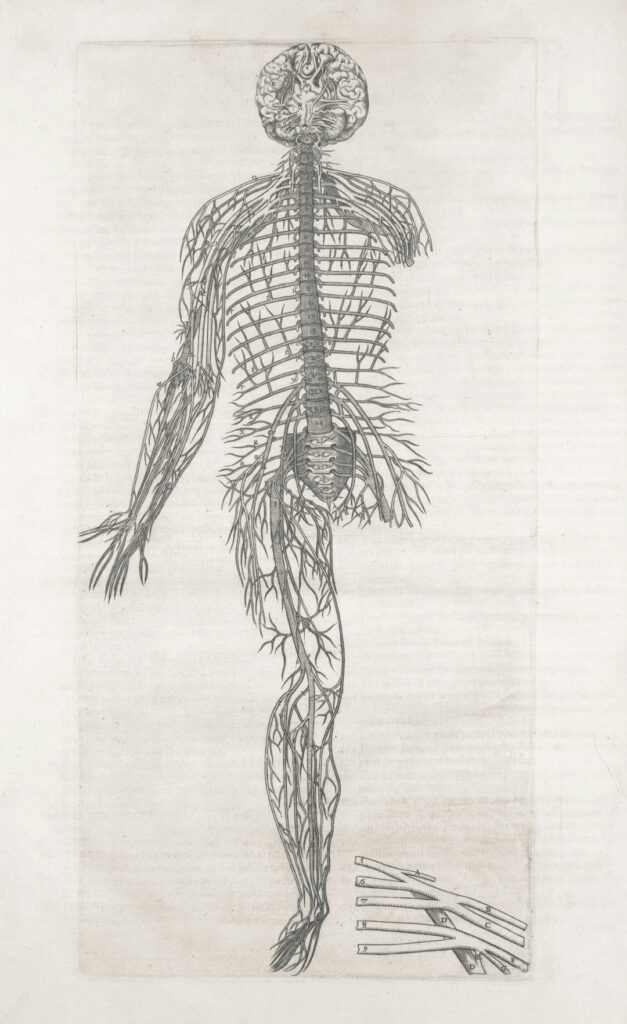
What Are the Central and Peripheral Nervous Systems?
The nervous system is divided into two main parts: the central nervous system (CNS) and the peripheral nervous system (PNS). These two branches have distinct roles, but both are essential for daily life in Odessa, TX and beyond. The CNS acts as the command center, while the PNS serves as the communication network that links the rest of the body to the brain and spinal cord.
The CNS includes the brain and spinal cord. This region interprets incoming information and sends out instructions. The PNS comprises all other nerves outside the brain and spinal cord, carrying signals to and from limbs, organs, and tissues.
How Do the CNS and PNS Differ in Function?
The CNS processes information and makes decisions, while the PNS delivers messages between the CNS and the rest of the body.
- The CNS interprets sensory input (like temperature or pain), stores memories, controls thoughts, and initiates movements.
- The PNS detects changes in the environment (such as a hot stove in a local Odessa kitchen) and transmits that information so the CNS can act.
- For example, stepping on a prickly burr in an Odessa backyard: the foot’s nerves (PNS) feel the pain and instantly alert the CNS, which decides how to react.
Why Does Understanding the Difference Matter for Odessa Residents?
Everyday life in Odessa, from shifting between indoor air conditioning to West Texas heat outdoors, to reacting to minor injuries while gardening, depends on healthy nervous system function. Knowing whether an issue involves the CNS or PNS helps people recognize symptoms and seek appropriate information when concerned about changes in sensation, movement, or thinking.
Residents sometimes ask:
- If numbness develops after working in the yard, is it a nerve in the arm (PNS) or something affecting the spinal cord (CNS)?
- Why might symptoms of certain conditions—like a concussion or local nerve injury—feel so different?
Learning about these differences can make it easier to communicate concerns to healthcare professionals, track changes in symptoms, and understand normal versus concerning nervous system responses.
What Parts Are Included in Each System?
The structures belonging to each system are different:
- Central Nervous System: The brain (protected by the skull) and the spinal cord (protected by the spine).
- Peripheral Nervous System: All nerves branching out from the spinal cord and brain, including those in arms, legs, face, and internal organs.
The PNS itself is divided further:
- Somatic nervous system (controls voluntary muscle movements, such as picking up gardening tools)
- Autonomic nervous system (controls automatic body functions, like heart rate and digestion, both of which can change during extreme Odessa summers)
How Do the Two Systems Work Together?
While the CNS and PNS are separate by definition, they constantly communicate. The PNS brings sensory information—pain, heat, touch, and more—from the body to the CNS, which then processes the information and sends instructions back.
For example:
- Touching a metal playground structure under the Texas sun: Skin nerves (PNS) sense the heat and send messages to the CNS. The CNS quickly decides: pull your hand away to avoid a burn.
This teamwork is required for everything from enjoying a meal to quickly responding to potential hazards around Odessa homes, workplaces, and schools.
What Symptoms Might Indicate a CNS or PNS Problem?

Residents sometimes notice symptoms and wonder where the issue starts.
Symptoms related to CNS conditions may include:
- Changes in memory, mood, or personality
- Difficulty with speech, vision, or coordination
- Muscle weakness on one side of the body
Symptoms related to the PNS often involve:
- Tingling, numbness, or burning in the hands or feet
- Weakness or loss of movement in a specific limb
- Unusual sensations after minor injuries (like a cut not healing properly or prolonged numbness after pressure)
If symptoms are severe, sudden, or involve loss of consciousness, medical attention should be sought immediately.
Common Misconceptions About CNS and PNS in Local Life
Some local residents assume all nerve problems relate directly to the brain or that “pinched nerves” only happen in the back. In reality, many issues such as carpal tunnel syndrome (involving wrist nerves) or nerve irritation from sitting long periods (frequent during long Odessa drives) are PNS conditions. Meanwhile, some concerns—like persistent memory loss or seizures—indicate CNS involvement.
Not all numbness or tingling is a major emergency, especially after minor injuries or pressure on a nerve; sometimes symptoms improve on their own. However, lingering or severe changes warrant careful attention.
How Does Odessa’s Lifestyle Affect Nervous System Health?
Extreme temperatures, physical work, and local activities can influence both nervous system branches:
- Prolonged heat exposure can lead to dehydration, which affects nerve signal transmission in both CNS and PNS.
- Yardwork and sports may cause minor nerve injuries (PNS) through repetitive movement or trauma.
- Sudden changes in activity or accidents can result in more significant CNS issues, such as concussions.
Area households benefit from basic awareness: staying hydrated, protecting the head, and taking breaks during repeated physical activity all support nervous system health in daily Odessa routines.